
Passa nel login winnita, al centro dell’esperienza di casinò divertente e protetta!
Januari 12, 2026All promotions are subject to qualification and eligibility requirements
Januari 12, 2026The psychological impact of gambling understanding the mind’s gamble
The allure of gambling
The world of gambling is intrinsically captivating, drawing in millions with the promise of thrill and potential fortune. This allure is rooted in psychological principles that make gambling appealing despite the risks involved. The excitement of placing bets and the uncertainty of outcomes can create a strong emotional high, often compared to the rush experienced in other risk-taking activities, especially when you explore mobile casino games.
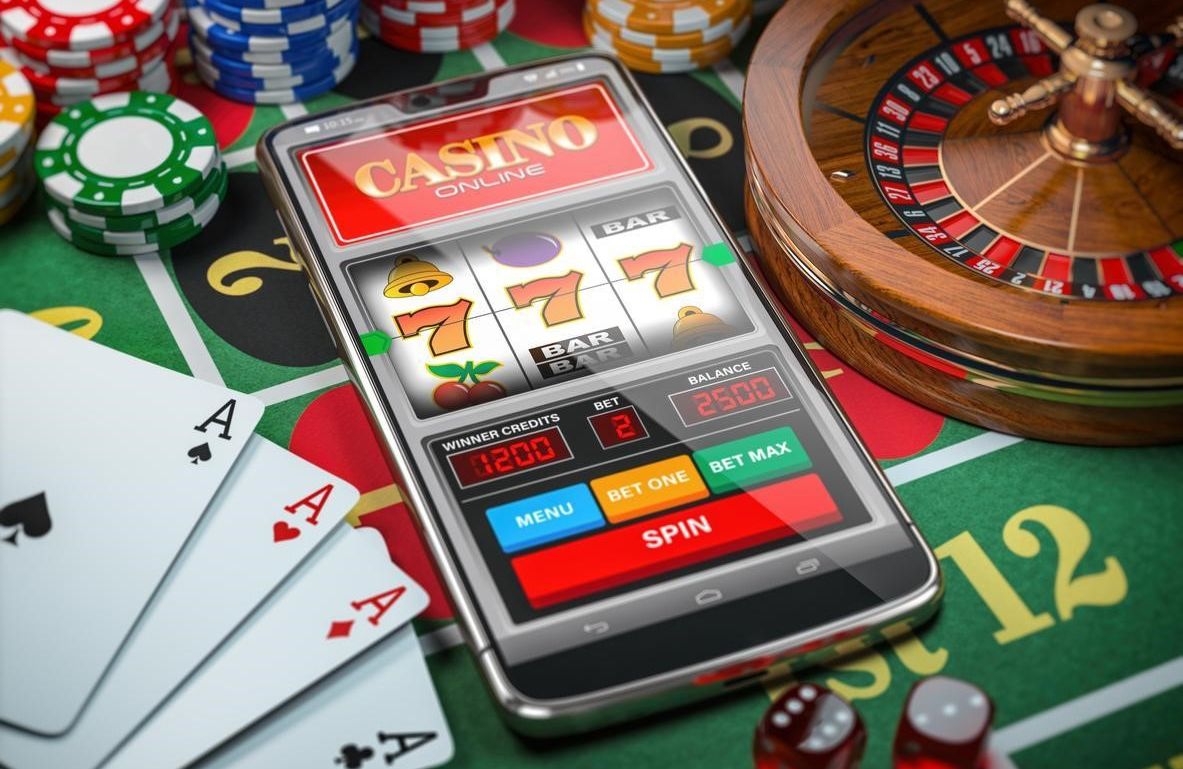
Moreover, the environment in which gambling occurs—often flashy, loud, and vibrant—further heightens this allure. The bright lights and sounds in casinos, or the buzz of online betting platforms, can evoke feelings of euphoria, creating an immersive experience that many find hard to resist. Understanding this psychological draw is crucial for individuals looking to comprehend their own behaviors and motivations surrounding gambling.
Psychological mechanisms at play
Various psychological mechanisms play a significant role in gambling behavior, particularly the concepts of reinforcement and variable rewards. The unpredictability of winning creates a powerful reinforcement loop, where occasional wins encourage continued play, despite frequent losses. This pattern can lead to what experts refer to as the “gambling fallacy,” where individuals mistakenly believe they can influence their luck or predict outcomes based on previous results.
Additionally, cognitive biases, such as overconfidence and illusion of control, often lead gamblers to underestimate the risks involved. Many players believe they possess skills that can sway the odds in their favor, further compounding the psychological traps that gambling presents. Understanding these mechanisms can help individuals identify and manage their gambling tendencies more effectively.
The emotional rollercoaster
Gambling can evoke a wide range of emotions, from exhilaration during wins to despair during losses. This emotional rollercoaster can have profound effects on an individual’s mental health. The highs experienced after a win can lead to feelings of invincibility, while losses may spiral into anxiety, depression, or guilt. This emotional instability is a significant factor in why many gamblers struggle to maintain control over their habits.
Furthermore, the quest for recovery from losses often drives individuals to gamble more, creating a vicious cycle. This pursuit of “chasing losses” can have devastating effects, not only on the gambler but also on their relationships and overall well-being. Recognizing the emotional impact of gambling is essential for developing healthier coping mechanisms and strategies for those affected.
The role of addiction
Gambling addiction represents a significant psychological issue that affects many individuals. It shares similarities with other forms of addiction, as it alters brain chemistry and can lead to compulsive behavior. The Diagnostic and Statistical Manual of Mental Disorders categorizes gambling disorder as a behavioral addiction, highlighting its potential to disrupt lives in similar ways to substance abuse.
Understanding the signs of gambling addiction is vital for both individuals and their loved ones. Early recognition can help in seeking appropriate support and intervention. Many people are unaware of the depth of their compulsions, often rationalizing their behavior until it becomes unmanageable. Addressing the psychological aspects of gambling addiction can pave the way for recovery and a more balanced approach to leisure activities.

Conclusion and website purpose
In conclusion, the psychological impact of gambling is a multifaceted issue that intertwines with emotions, cognitive biases, and potential addiction. Understanding these elements is crucial for individuals who wish to engage with gambling responsibly or help someone struggling with compulsive behaviors. Awareness and education are key steps toward fostering healthier interactions with gambling.
This website aims to provide valuable resources and guidance for individuals navigating the complex world of gambling. By promoting safety and responsible practices, we strive to create a supportive environment for those looking to understand and mitigate the psychological impacts of gambling. Your well-being is our priority, and we are here to help you on this journey.